Over the last five decades, the United Arab Emirates has experienced one of the most remarkable architectural transformations in the modern world. What was once a region shaped by desert life, coastal trade, and modest vernacular structures has become a global symbol of innovation, luxury, and futuristic design. From wind-cooled homes built with coral stone to record-breaking skyscrapers of steel and glass, the UAE’s architectural journey reflects its cultural resilience and economic ambition.
This rapid evolution prompts an important question: how did the UAE transform its architectural identity while preserving its heritage?
In this article, we explore the key milestones that shaped the UAE’s architectural and design landscape:
-
Traditional Emirati Architecture and Climate-Responsive Design
-
Industrial Influence and Modern Construction Methods
-
Nationhood, Cultural Growth, and Artistic Expression
-
Landmark Architecture and the Rise of Global Icons

Traditional Emirati Architecture: Built for Climate and Community
Before the era of modern development, architecture in the UAE was deeply rooted in environmental adaptation and social values. Early settlements relied on locally available materials such as coral stone, gypsum, palm wood, and mud brick, resulting in structures that were both sustainable and functional.
One of the most defining elements of traditional Emirati architecture was the Barajeel, or wind tower. These tall, square structures acted as natural ventilation systems, channeling cooler air into living spaces while pushing warm air out. This passive cooling method allowed homes to remain comfortable despite extreme desert temperatures.
Historic landmarks such as the Al Fahidi Historical Neighbourhood in Dubai preserve these architectural features, offering insight into how early communities balanced design, climate, and daily life. Courtyards, narrow alleys, and shaded walkways further enhanced airflow and social interaction.
Mosques and schools of the era also reflected Islamic architectural principles, incorporating arches, domes, symmetry, and decorative calligraphy. These elements emphasized harmony, spirituality, and collective identity.
Industrial Influence and the Shift Toward Modern Materials
Global industrial advancements began influencing the Gulf region in the late 19th and early 20th centuries, particularly during the Trucial States period. Increased interaction with foreign traders and British authorities introduced new construction techniques and materials.
As industrialization expanded worldwide, materials such as reinforced concrete, steel, and glass became more accessible. Their adoption marked a turning point in UAE architecture, enabling stronger, taller, and more durable structures.
The pearl trade era brought prosperity to coastal cities like Dubai, leading to more elaborate residential and commercial buildings. Coral stone houses supported by wooden beams and decorated with intricate gypsum carvings reflected a fusion of local craftsmanship and external influence.
The discovery of oil in the 1960s accelerated modernization dramatically. With new financial resources, cities invested heavily in infrastructure, ports, roads, and modern utilities. Air conditioning revolutionized building design, freeing architects from traditional height and layout limitations and allowing vertical expansion.

Nationhood and the Rise of Cultural and Artistic Identity
The formation of the United Arab Emirates in 1971 marked a defining moment not only politically, but culturally and architecturally. Economic stability fueled by oil revenues enabled large-scale development while also supporting education, arts, and cultural institutions.
Under the leadership of Sheikh Zayed bin Sultan Al Nahyan, the nation pursued a balanced vision—embracing modernization without abandoning heritage. Cultural initiatives flourished across the emirates, encouraging local artistic expression and architectural experimentation.
Institutions such as the Cultural Foundation in Abu Dhabi, the Emirates Fine Arts Society in Sharjah, and early art galleries in Dubai played a vital role in shaping creative dialogue. These spaces nurtured emerging artists, architects, and designers, allowing traditional motifs to coexist with modern aesthetics.
Architectural projects from this era often blended Islamic design elements with contemporary forms, reinforcing national identity while signaling progress.
Landmark Architecture: Defining the Global Image of the UAE
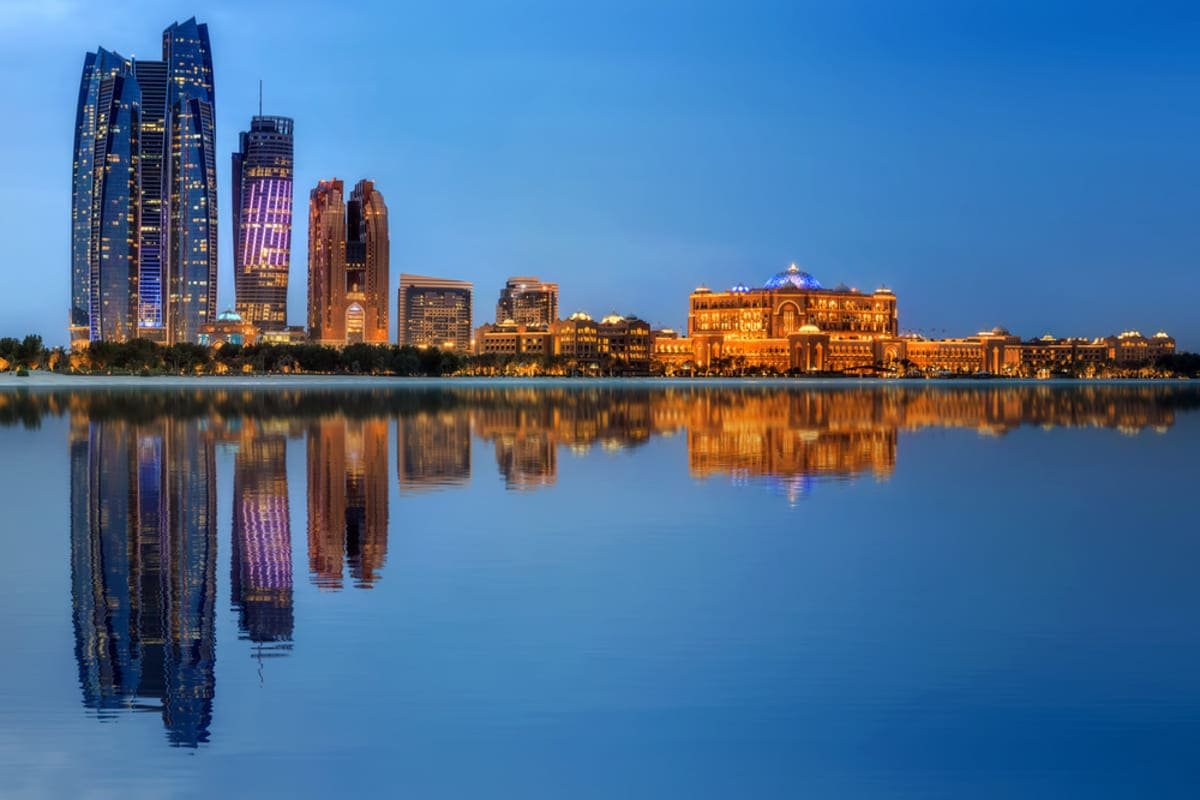
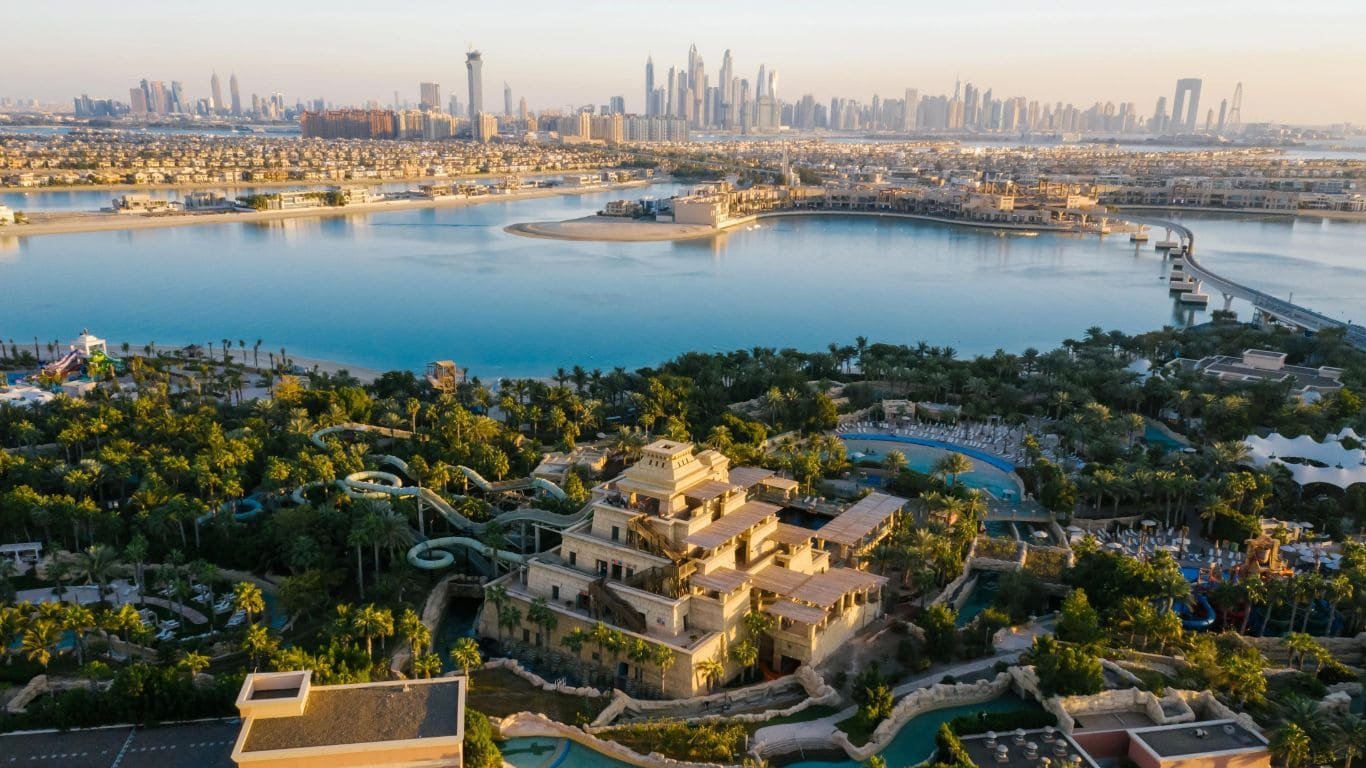
From the late 1990s onward, the UAE entered a new architectural chapter—one defined by ambition, scale, and global recognition. Cities like Dubai and Abu Dhabi became testing grounds for bold architectural visions.
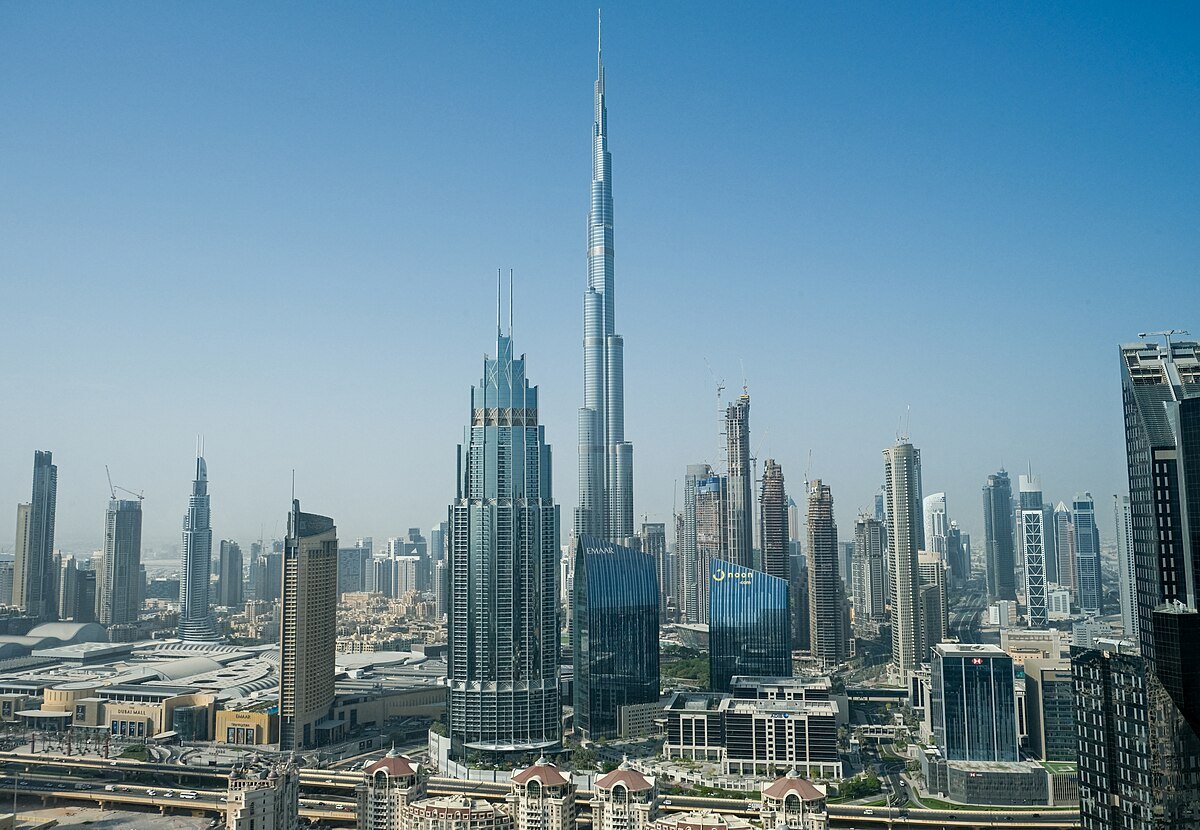
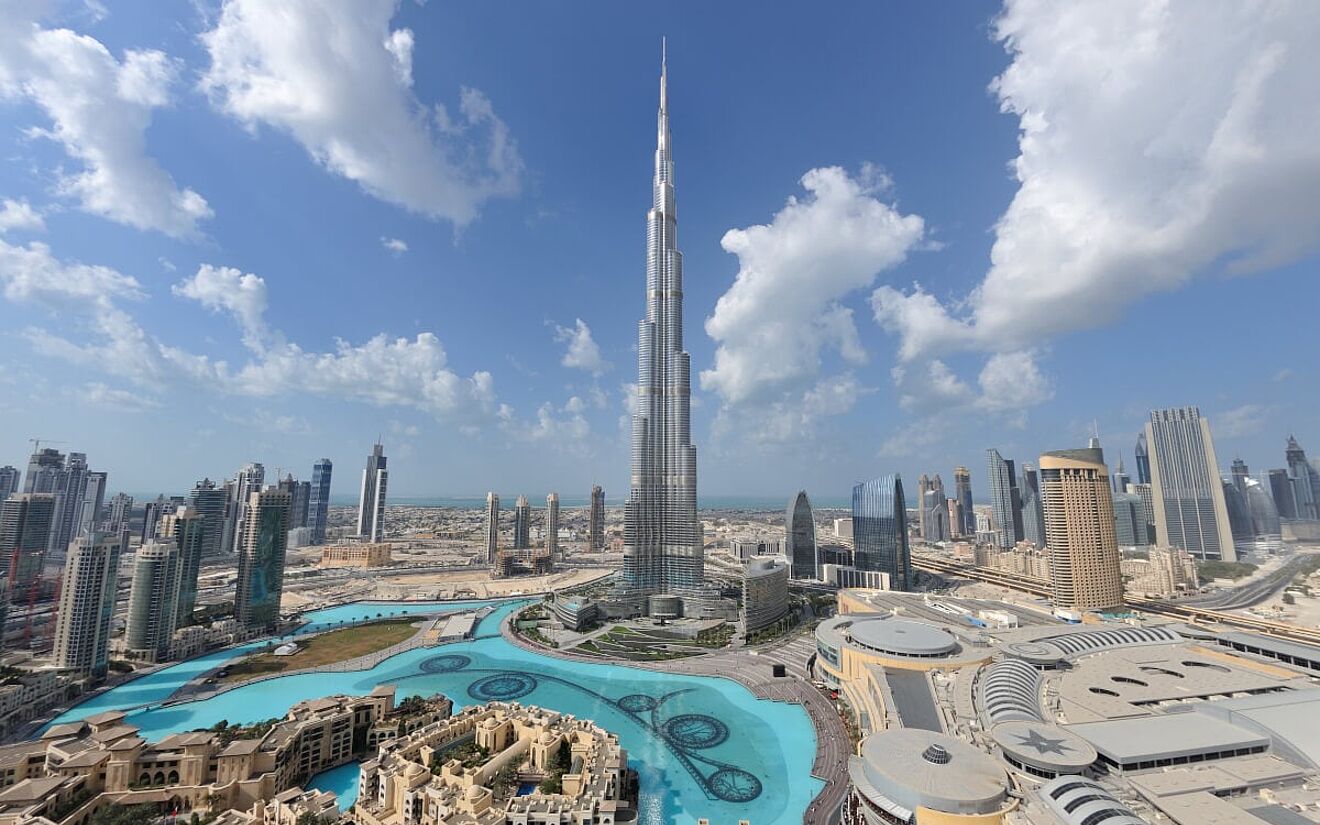
The completion of the Burj Khalifa, the tallest building in the world, symbolized the UAE’s emergence as a global design powerhouse. Its form draws inspiration from Islamic geometry while employing advanced engineering and sustainable systems.
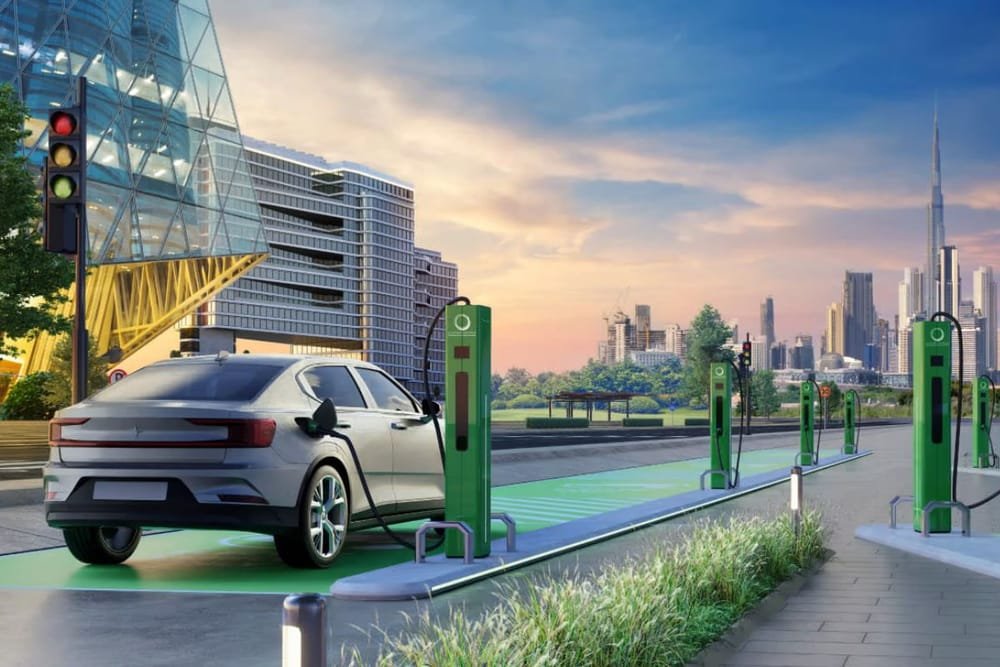
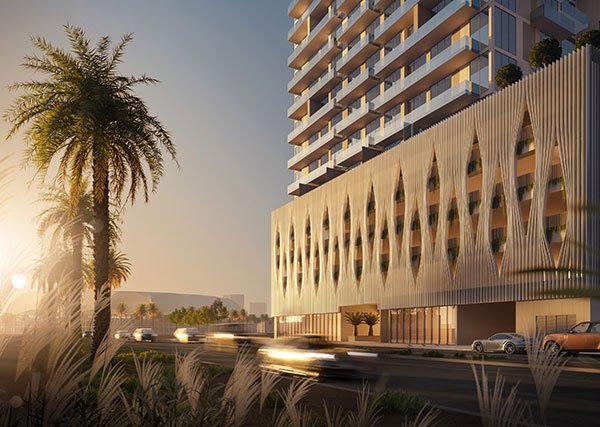
Other iconic developments followed, including cultural districts, luxury residential towers, and mixed-use urban centers. These projects emphasized innovation, smart technologies, and sustainability, positioning the UAE at the forefront of modern urban design.
Today, architects increasingly revisit traditional concepts such as shading, wind flow, and energy efficiency—reinterpreting them through contemporary materials and digital design tools.

A Living Architectural Legacy
The architectural evolution of the UAE is not merely a story of rapid development—it is a narrative of adaptation, identity, and vision. By integrating ancient wisdom with modern technology, the nation has created a built environment that reflects both its heritage and its aspirations.
As the UAE continues to invest in sustainable cities, cultural preservation, and innovative design, its architectural journey remains an ongoing dialogue between the past and the future.