The United Arab Emirates stands as a testament to what vision, innovation, and ambition can achieve. In just a few decades, this region transformed from vast desert landscapes into a global hub of architectural brilliance, blending cultural heritage with cutting-edge design. At Notun Thikana LLC, we’re inspired by the UAE’s ability to honor its roots while forging a future defined by creativity and excellence.
1. Echoes of the Past: Traditional Arabian Architecture
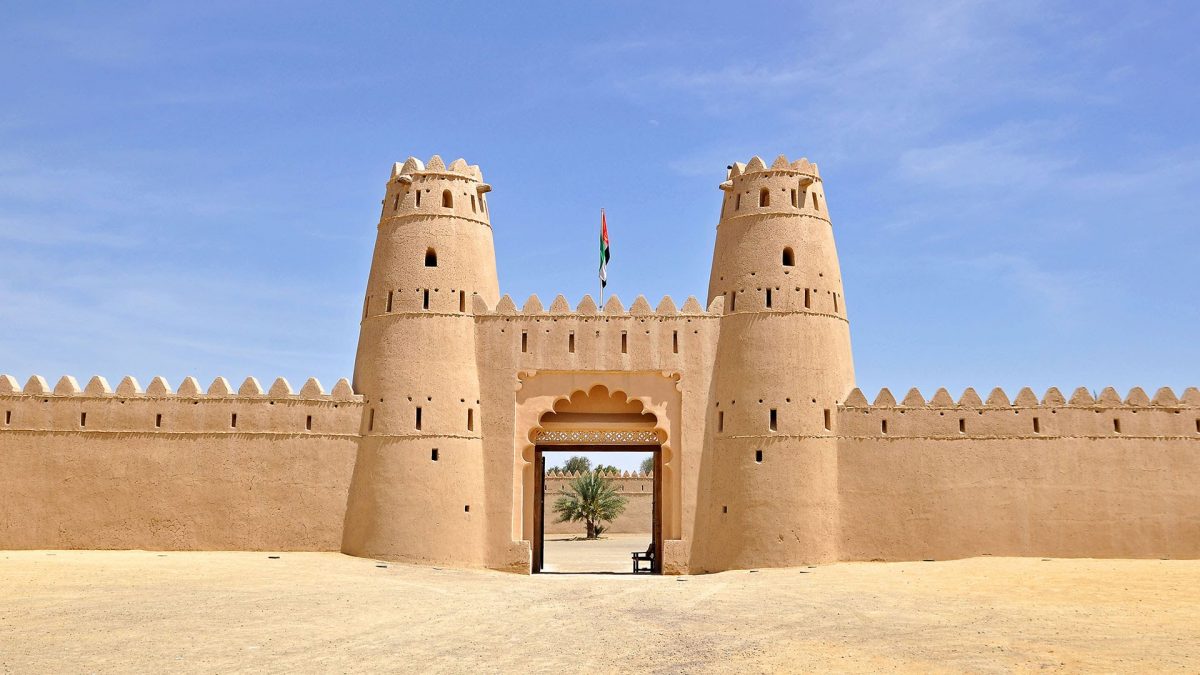
Before glass towers dominated the horizon, the UAE’s architectural identity was shaped by structures designed to thrive in harsh desert conditions. Wind towers (barjeel), courtyards, and thick walls were not merely stylistic—they were essential.
These traditional forms:
-
Maximized natural ventilation
-
Used locally sourced materials
-
Reflected community-centric living
This era reminds us how deeply culture and environment influence design—an idea still relevant in sustainable architecture today.
2. Oil, Opportunity, and Emerging Urban Identity
The discovery of oil in the mid-20th century marked a turning point. Rapid economic growth fueled urban expansion, bringing new materials, ideas, and international collaborations.
Cities like Abu Dhabi and Dubai emerged as:
-
Centers of global commerce
-
Fields for architectural experimentation
-
Symbols of economic ambition
One of the most pivotal shifts was the move from functional, modest buildings to designs that expressed identity and aspiration.
3. Skyline Revolution: Global Icons and Cutting-Edge Marvels
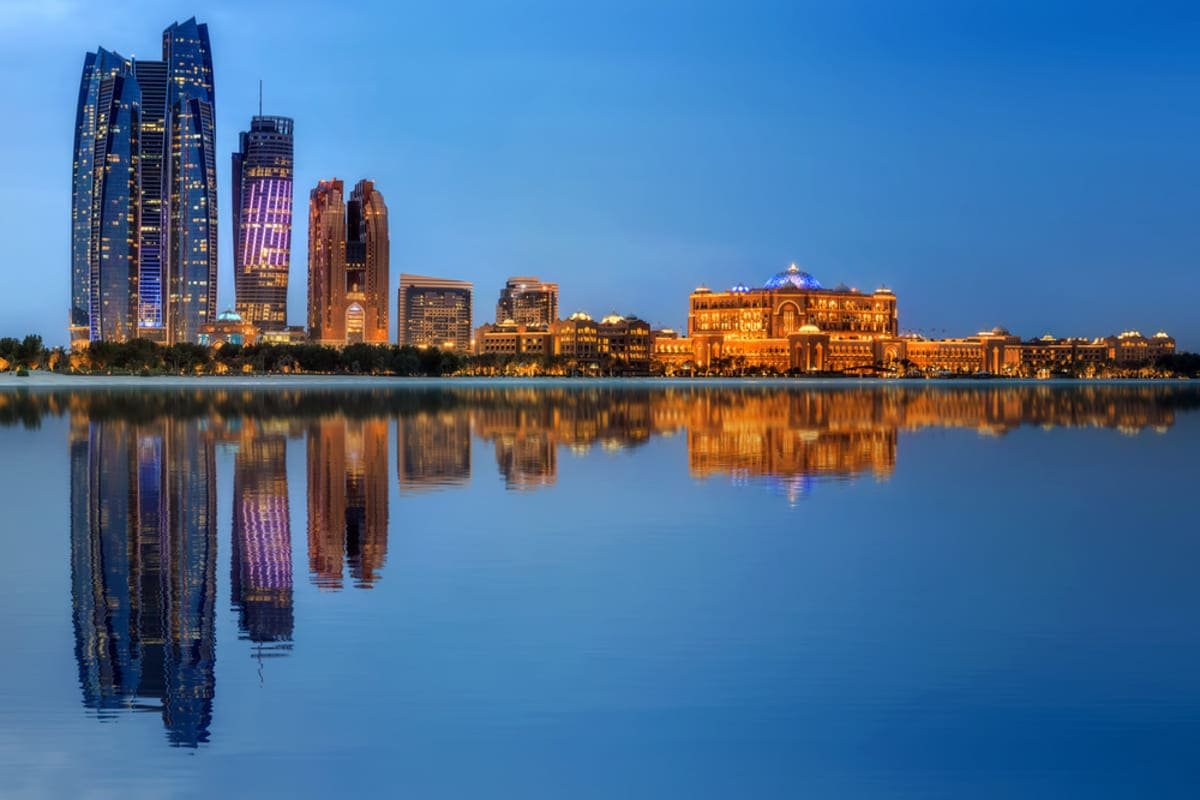
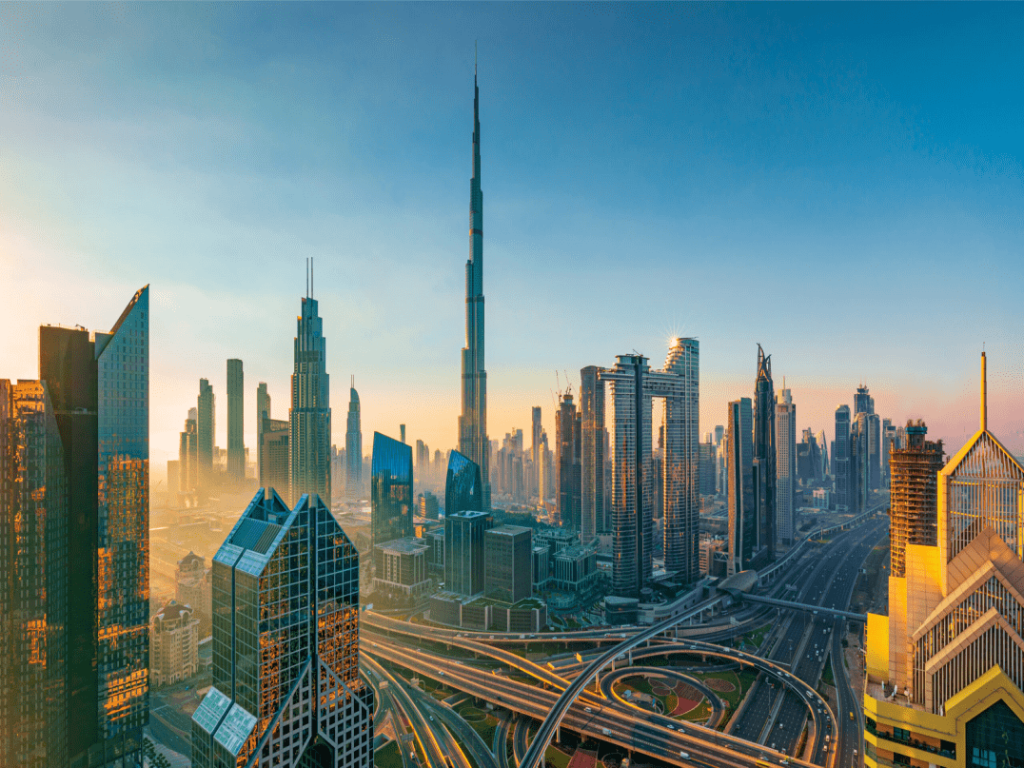
Today, the UAE is known worldwide for iconic architectural achievements. Each structure represents a fusion of design sophistication and technical innovation.
Some of the most notable highlights include:
-
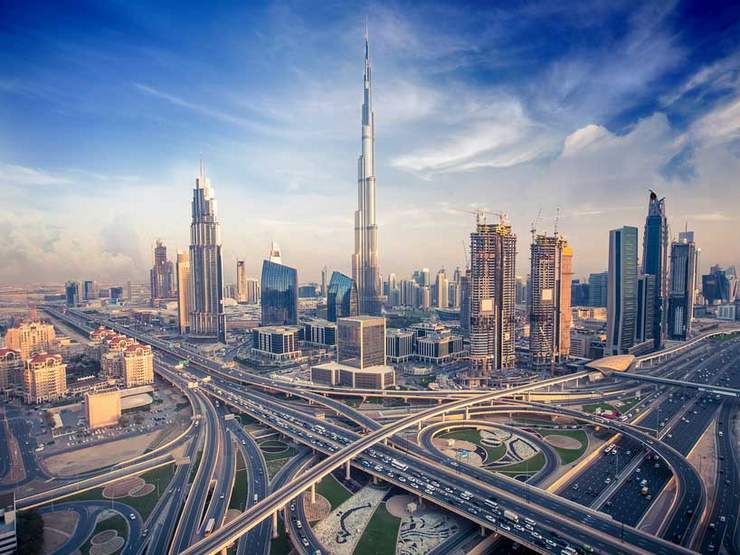
Burj Khalifa – The tallest building on Earth, symbolizing human ambition
-
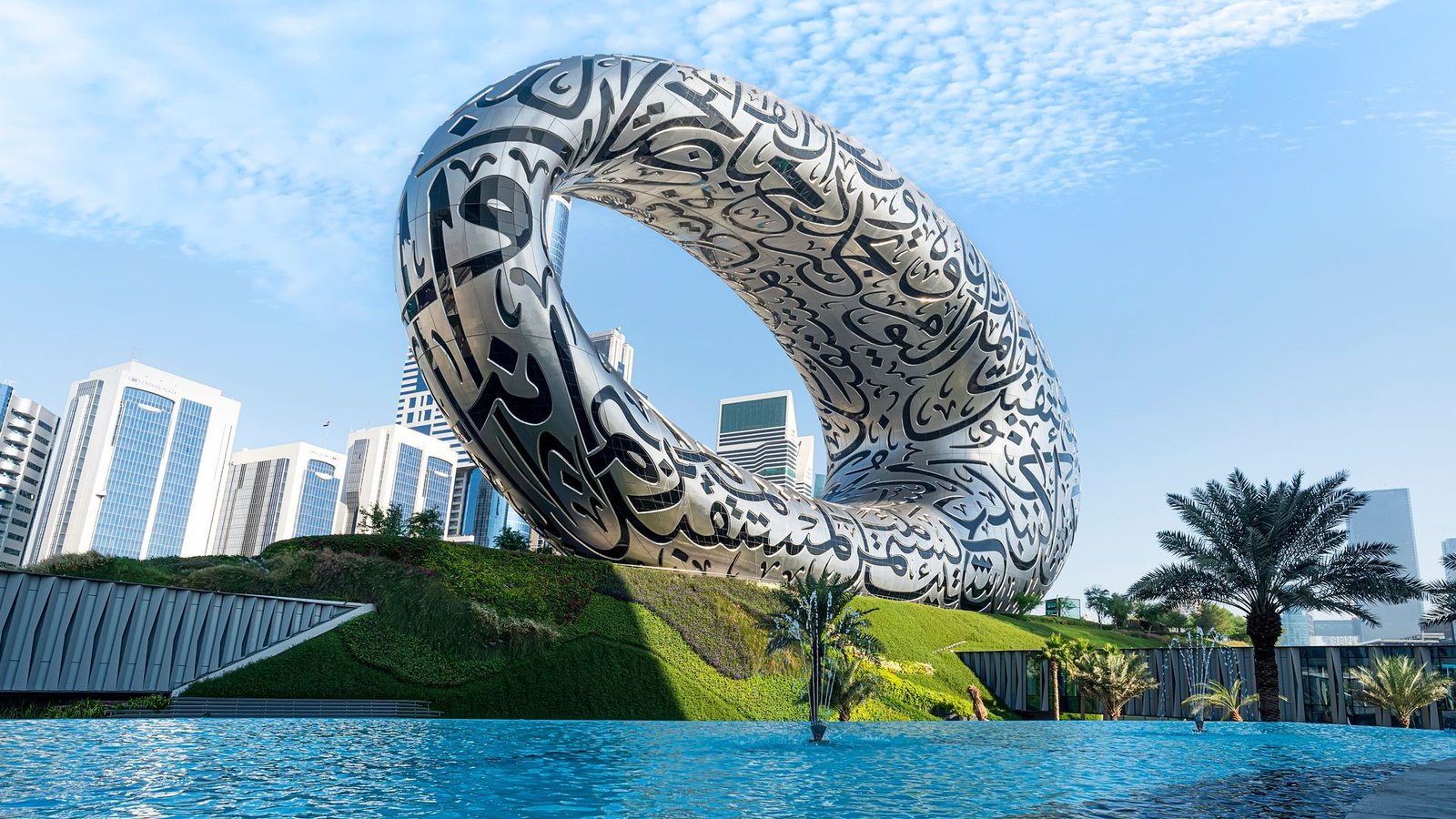
Museum of the Future – A visionary design embracing sustainability and creativity
-
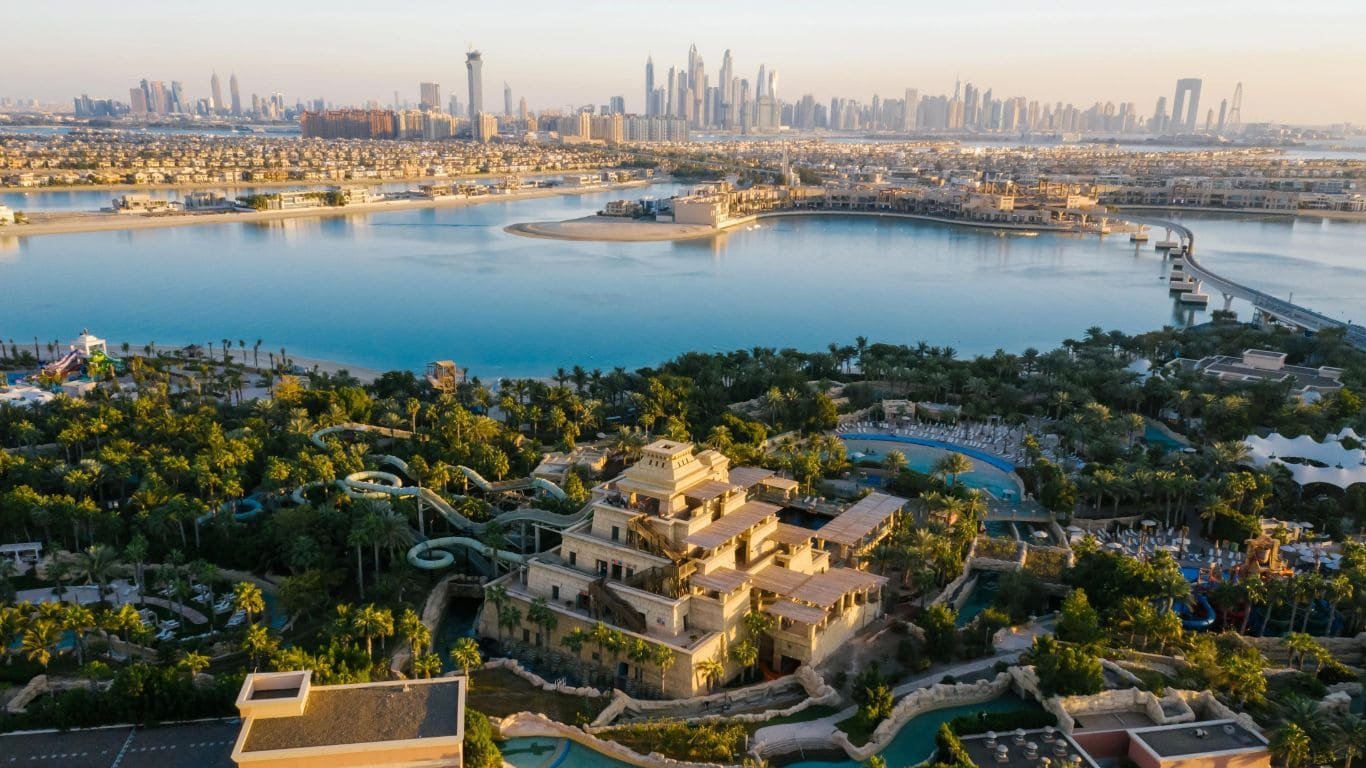
Palm Jumeirah – A man-made island reflecting bold urban planning
These projects signal more than architectural accomplishment—they demonstrate how design can shape culture, economy, and global perception.
4. Sustainability at the Forefront
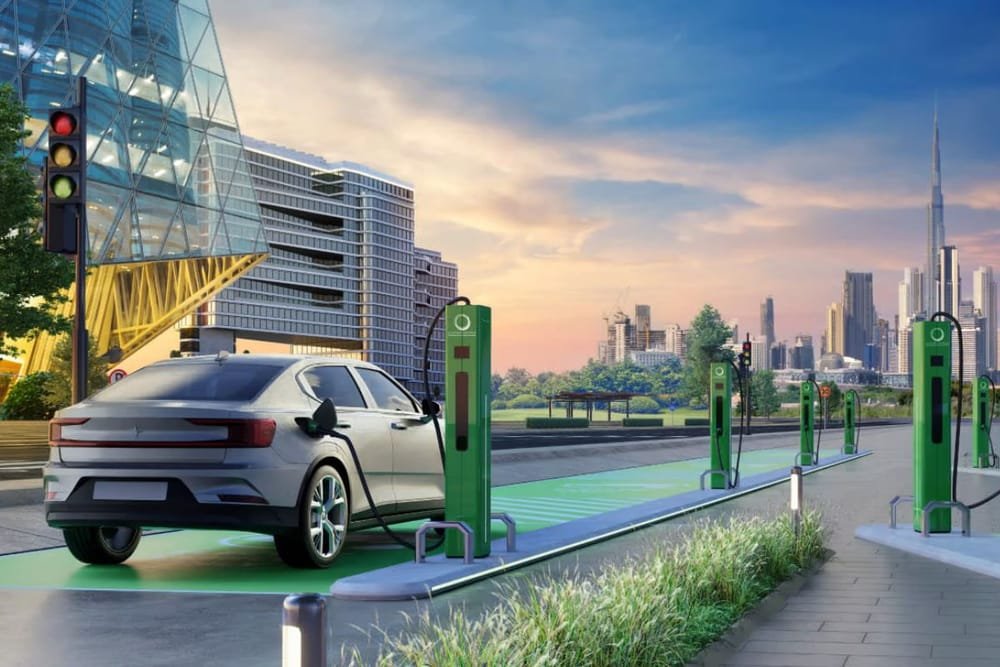
As environmental awareness grows, so does the importance of responsible architecture. The UAE has embraced this shift, incorporating green technologies and sustainable planning:
-
Net-zero energy buildings
-
Smart city initiatives
-
Renewable energy integration
These efforts prove that modern marvels can also be conscientious ones.
5. What the Future Holds
Looking ahead, the UAE continues to push boundaries. From urban ecosystems designed for human-first living to AI-integrated structures, the region’s architectural future is brimming with possibility.
At Notun Thikana LLC, we draw inspiration from this ongoing evolution. We believe that thoughtful design doesn’t just change skylines—it changes lives.